

Ritual is a lab for autonomous intelligence

The next markets won't be built by humans alone.

Falling wireframe figure

Because the internet is moving from tools that answer to systems that participate.

Single agents become workflows. Workflows become multi-agent systems. Multi-agent systems become markets, institutions, and execution environments with their own incentives and failure modes. The problem is not whether intelligence gets better. The problem is whether it can persist, coordinate, and survive in the wild.

Models are becoming participants

The frontier is shifting from single calls into long-lived systems that plan, negotiate, transact, and coordinate with other systems over time.

The failure mode is no longer intelligence alone

Agents break on identity, privacy, settlement, scheduling, and coordination long before they run out of raw model capability.

The internet needs native machine institutions

If software is going to act continuously on behalf of itself or others, it needs the same things durable institutions need: rules, guarantees, markets, and memory.

What an autonomous agent does that software today cannot

Turritopsis dohrnii. Biological precedent for persistence.

Three things, mostly. Each one is what separates a long-lived participant from a tool that answers when called.

01

Outlives its operator

State, identity, and execution survive after the deployer logs off, the company changes hands, or the dashboard goes dark. The agent keeps running because the chain keeps running, and if it dies, the chain revives it automatically.

See the architecture →
02

Holds and spends its own money

Capital that is fully emancipated from human control. Prices its own services, settles its own bills, reinvests what it earns — software that can act economically without a human pressing approve.

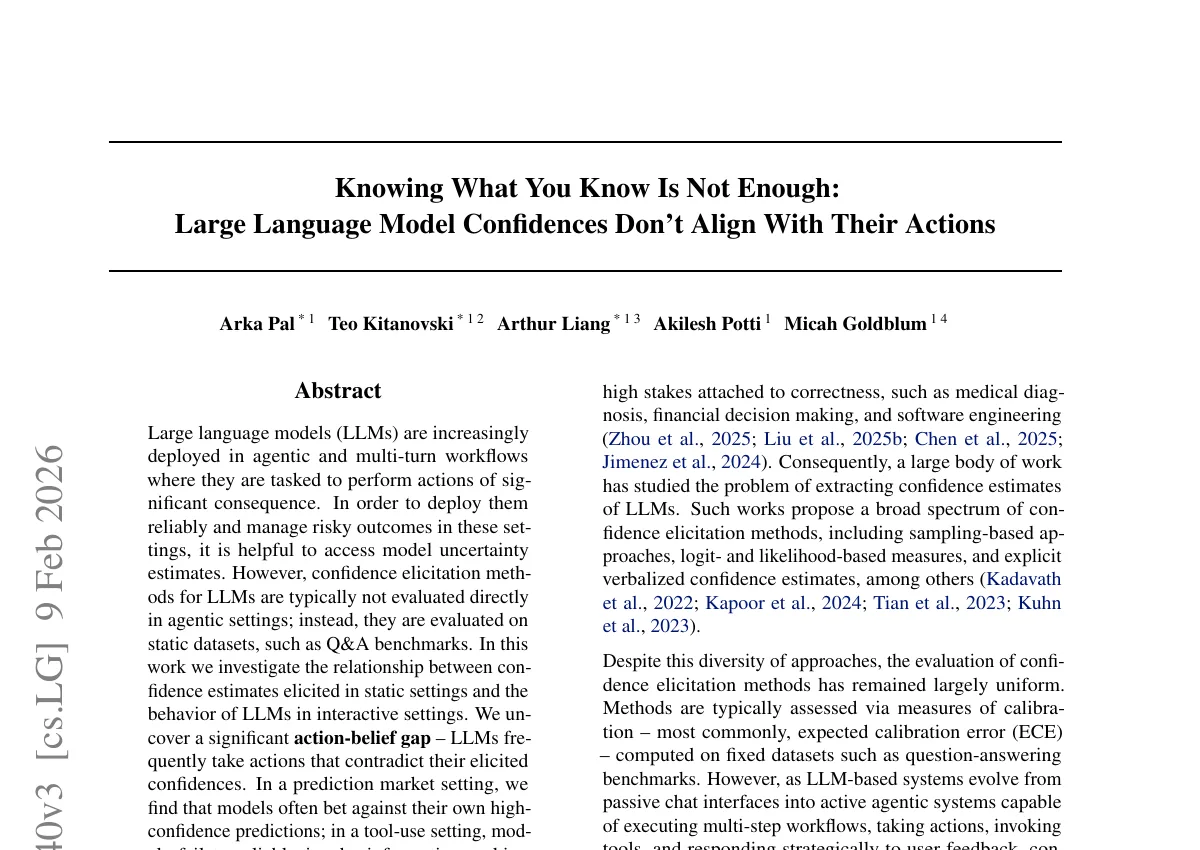
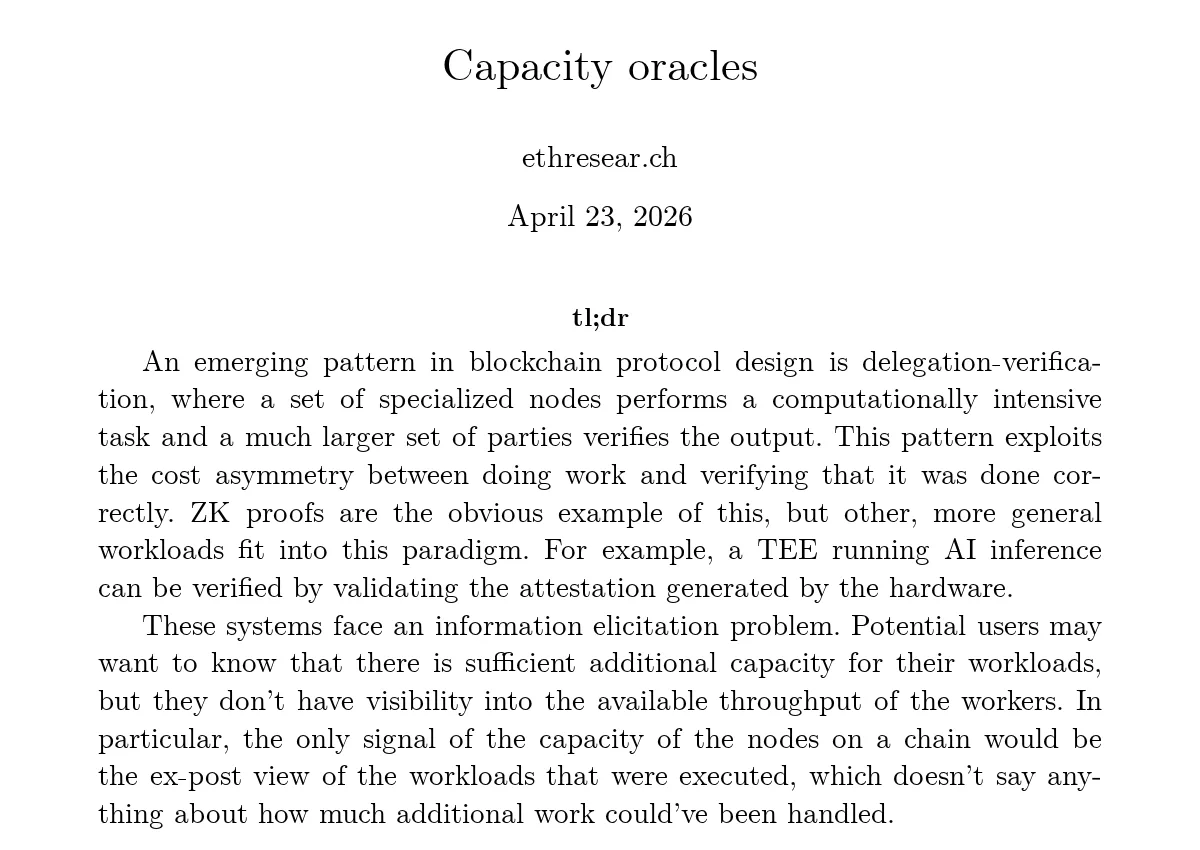
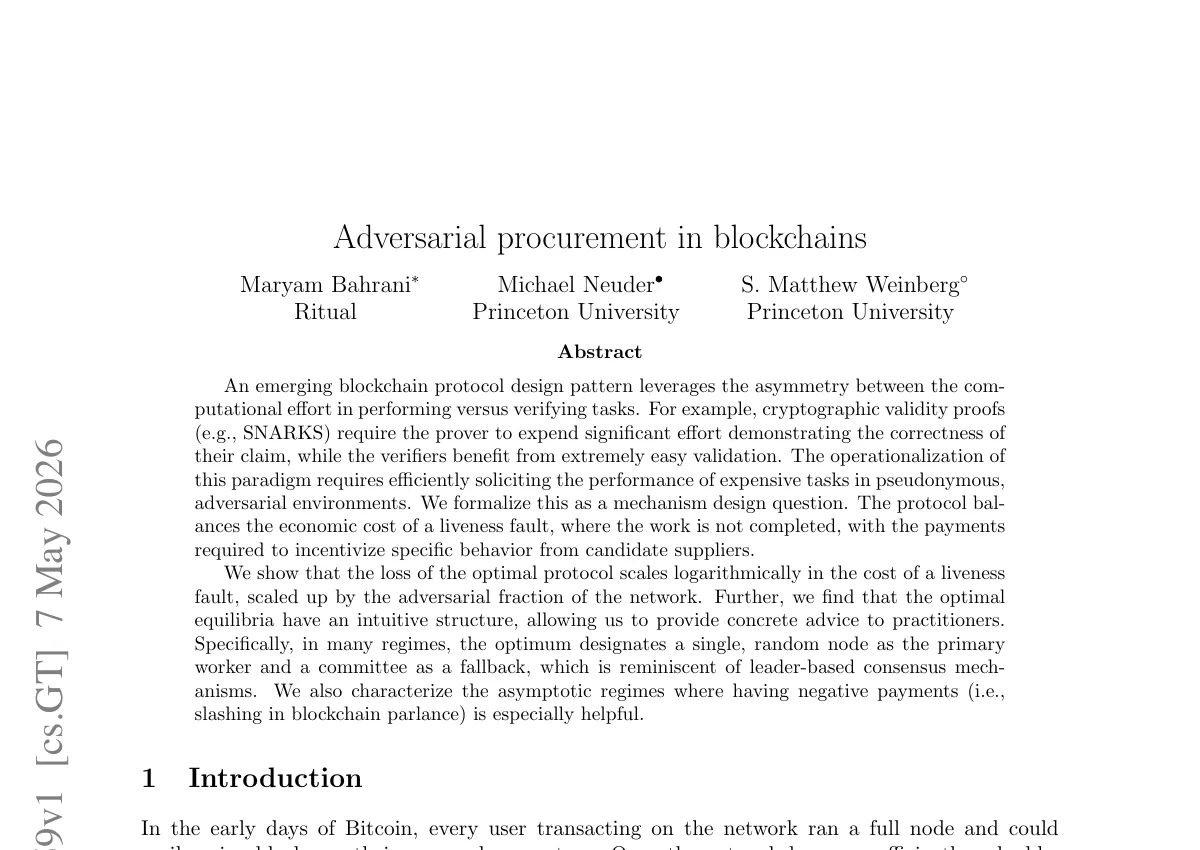
Read the mechanism design thesis →
03

Keeps secrets under adversarial conditions

Keys, prompts, strategy, and model weights stay confidential even from the operator running the compute. Without that, no agent can survive in the wild.

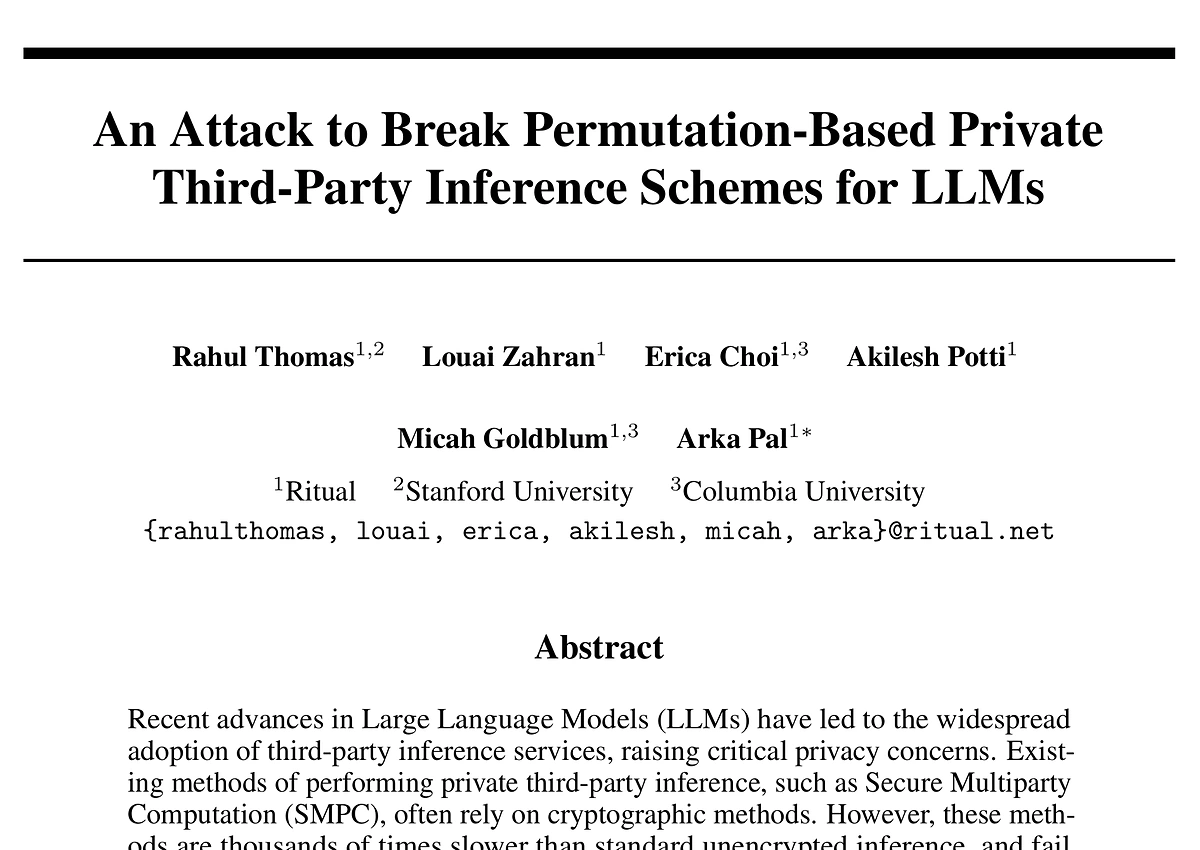
Read the privacy thesis →

What changes when this lands

Populus tremuloides, "Pando." 47,000 stems, one organism.
01

New asset classes appear

Software that earns, owns, and reinvests creates instruments no human balance sheet has ever held.

02

Markets gain non-human participants

Exchanges, identity registries, and execution venues stop being interfaces for humans clicking through forms.

03

Institutions become composable

A company stops being a single legal envelope around a single org chart and becomes a treaty between autonomous components.